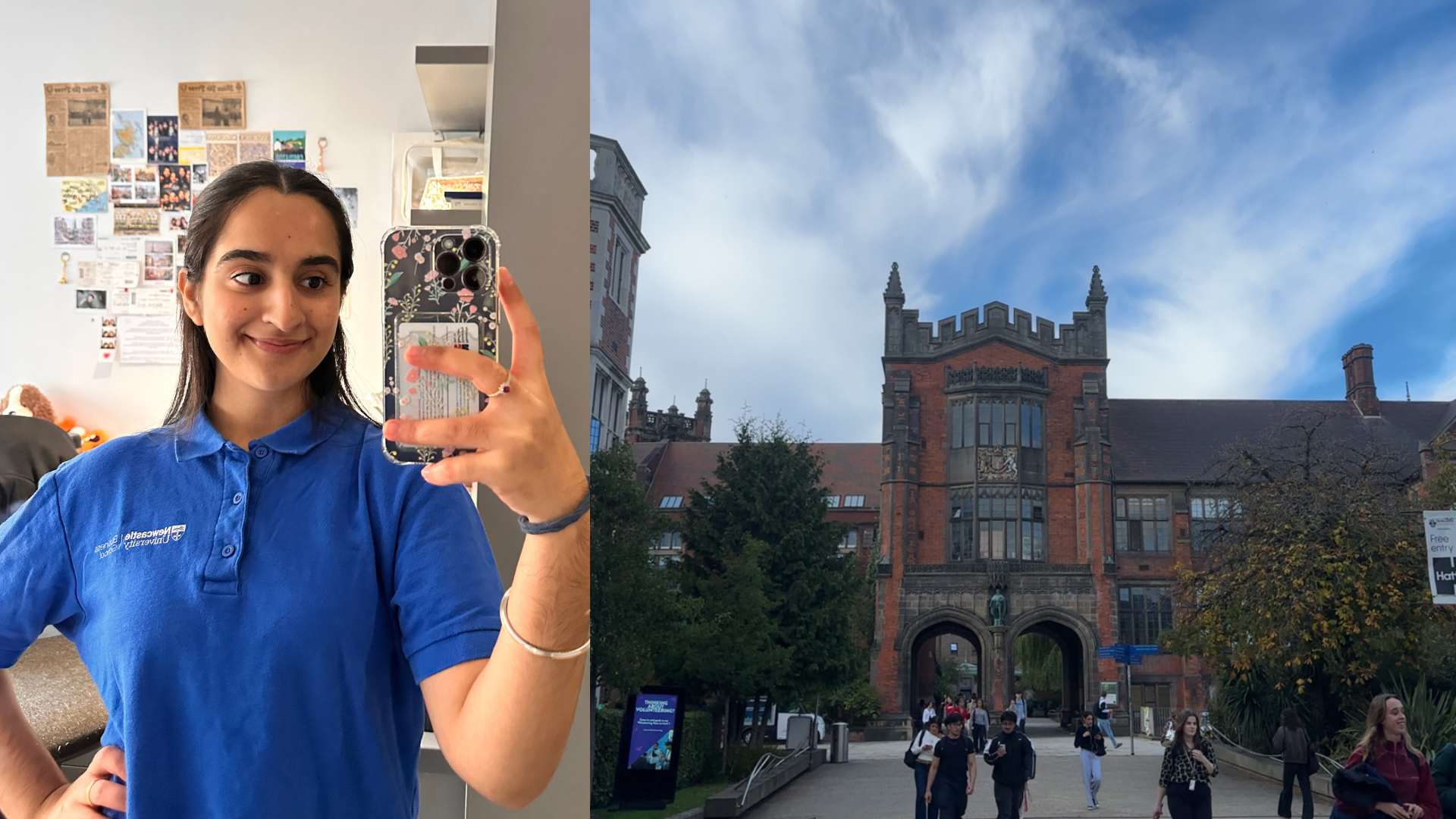
When I first started university, internships felt like something only “perfect” students got; people with lots of experience, connections, or impressive CVs.
I had none of those things.
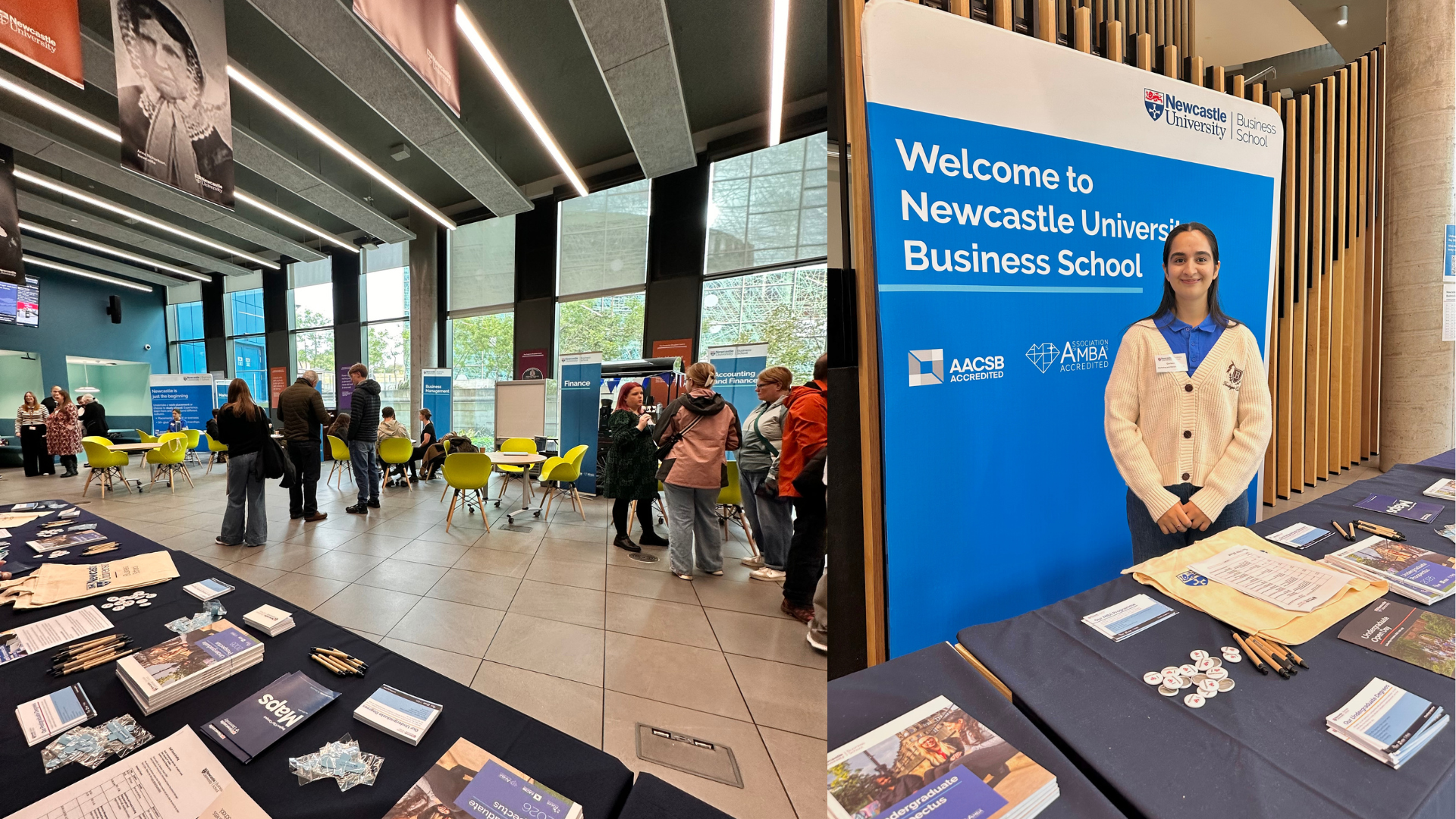
Like many students, I had no formal work experience and no real idea where to start. But over time, through trial and error (and plenty of rejections), I managed to secure three NCL internships while studying at Newcastle University. I also currently work as a Business Ambassador at Newcastle University Business School.
If you’re feeling lost about internships, you’re definitely not alone.
Here are the strategies that genuinely helped me.
1. Start with MyCareer
One of the biggest mistakes students make is not using the resources the University already provides.
At Newcastle University, the MyCareer platform is one of the best places to start looking for internships. It lists opportunities specifically aimed at students, including NCL Internships designed to fit around your studies.
My advice is to check MyCareer regularly and set up alerts so you don’t miss new opportunities. Many internships receive a high number of applications, so applying early can make a real difference.
The Careers Service also offers career workshops, networking events, and application support, all of which can help you better understand the process.
2. Use the Careers Service to improve your CV
When I wrote my first CV, I had no idea what I was doing. Like many students, I listed everything I had ever done without thinking about how it demonstrated my skills.
Booking a CV feedback appointment through MyCareer completely changed that for me. Career advisors helped me focus on skills, achievements, and impact, rather than just listing responsibilities.
Even small improvements to your CV can significantly increase your chances of getting an interview.
3. Don’t worry if you don’t have work experience
One of the biggest myths about internships is that you need experience to get one.
I received my first internship without any formal work experience. Instead, I focused on the skills I had developed through other activities.
For example, I included:
- Online course certificates
- Skills from running my own TikTok account documenting my personal development journey
- Experience helping with my family business
These experiences helped demonstrate skills like communication, organisation, creativity, and initiative which employers value just as much as traditional work experience.
4. Tailor your applications
Another important lesson I learned is that generic applications rarely work.
Instead of sending the same CV and cover letter to every opportunity, I started tailoring each application.
This meant:
- Carefully reading the job description
- Highlighting the skills the employer is looking for
- Explaining why I was genuinely interested in that specific role
It takes more time, but tailored applications stand out much more.
5. Rejection is part of the process
Getting rejected can feel discouraging, especially when you’ve put a lot of effort into an application. But rejection is a normal part of applying for internships.
Many students apply to multiple roles before receiving an offer. Instead of seeing rejection as failure, try to treat it as part of the learning process.
Each application helps you refine your CV, improve your answers, and better understand what employers are looking for.
Sometimes, all it takes is one opportunity to change everything.
6. Prepare properly for interviews
Once you secure an interview, preparation is key.
Before my interviews, I made sure to:
- Research the organisation and its values
- Prepare examples that demonstrate my skills
- Think about how I could contribute to the role
Interviewers are often less interested in perfect answers and more interested in your motivation, attitude, and willingness to learn.

7. Always ask questions at the end
One simple but important tip is to always ask questions at the end of your interview.
Preparing two or three thoughtful questions shows that you are engaged and genuinely interested in the role.
Some examples include:
- What kind of projects might interns work on?
- What skills help someone succeed in this role?
- What does a typical day look like?
- If the internship goes well, are there opportunities to continue working with the team? (my personal favourite)
These questions can leave a strong final impression.
Final thoughts
Landing internships can feel intimidating, especially when you’re just starting out and don’t have much experience. But the truth is that many students begin in exactly the same position.
The most important things are to start early, stay consistent, and make full use of the support available at Newcastle University.
Internships are not just about gaining experience they are also an opportunity to explore your interests, build confidence, and develop skills for your future career.
If you’re currently searching and feeling unsure where to start, remember that progress often comes from small steps and sometimes from simply taking the chance to apply.

By Gurleen, a third year Marketing and Management student and Student Content Creator